Gulf · UAE Digital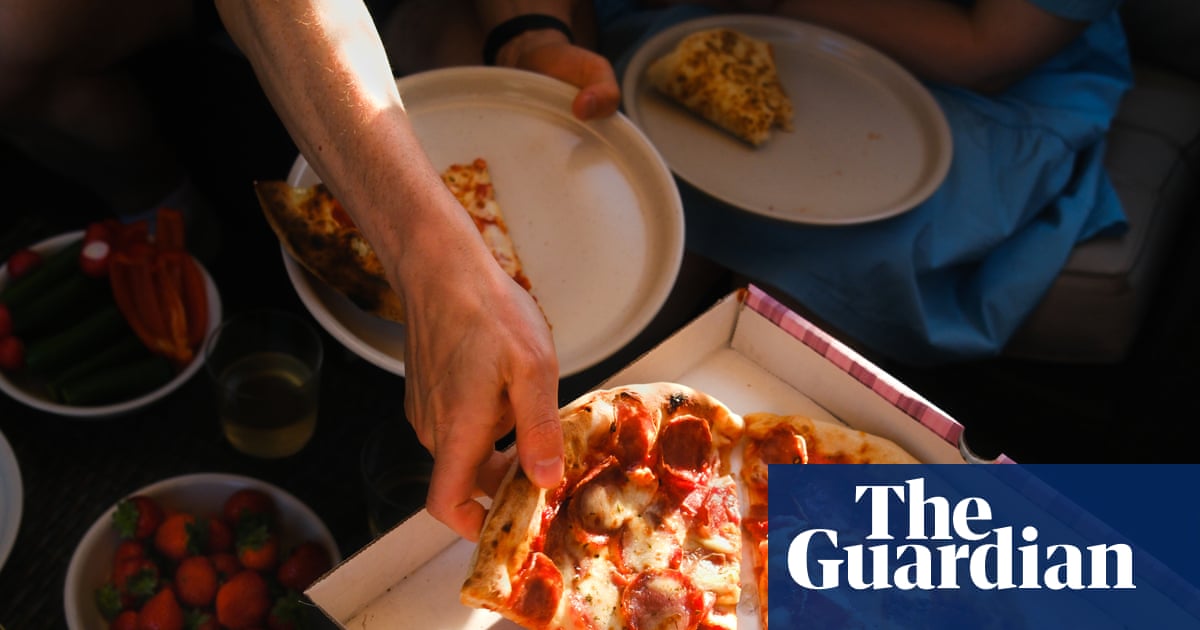
W hen it comes to food, Caroline Bauldree does not like to “deprive” herself of anything. She does not like to cook either, so that means a lot of food deliveries. “If I want sushi, I’m getting sushi,” said the 24-year-old nanny, who lives in Raleigh, North Carolina.
“I’m definitely lazy in that regard.” Bauldree got into the habit of near-daily DoorDashing back in college. “I could order whatever food from whatever restaurant and it showed up at my door – that’s the dream,” she said. “But then I just feel like crap about myself because I’m like, ‘wow, I’m a lazy piece of shit.’ Nine times out of 10, I feel bad about myself.” There is a term for that post-order clarity: delivery guilt.
The pandemic turned food delivery apps such as DoorDash, Uber Eats and Grubhub, once only popular in major cities, into a full-fledged national lifestyle. One Purdue study found that two-thirds of consumers used a food-ordering app at least once in 2024; another recent survey from the marketing company FinanceBuzz in partnership with Bank of America found that 57% of Americans get takeout or delivery weekly or more. Gen Z is more likely to feed the habit, clocking in an average of five orders a month – roughly double the monthly orders made by Boomers.
Considering the price of food and those ever-pesky delivery fees, it’s an expensive habit; Bauldree estimates spending about $75 a week. And users might not feel comfortable broadcasting it to the world. According to the Finance Buzz survey, half of its gen Z respondents said they felt embarrassed about how much they spend on food delivery, sometimes so much that they lie about the amount to friends and family.
Joy Lu is an assistant professor of marketing at Carnegie Mellon University who studies delivery app pricing. She calls food delivery an “affordable luxury”: a way for people to treat themselves without majorly splurging. But the fees on delivery apps can add up, resulting in sticker shock at checkout.
Lu says people might be afraid to reveal their true delivery tab because they do not want to be perceived as wasting money. “People might be hesitant to talk about this because we have a sense that these food delivery apps are taking a cut and it’s not all going to the delivery person,” Lu said. “It doesn’t feel great to admit that we’re paying this extra money and contributing to these companies’ profits.” A DoorDash worker rides his bicycle along a path on the West Side Highway in New York.
Photograph: John Minchillo/AP The Federal Trade Commission, which has sparred with delivery apps in the past, is reportedly considering new rules that would address undisclosed fees resulting from dynamic and surge pricing, reports the industry publication Restaurant Business. Representatives for Grubhub and DoorDash told the Guardian that users are shown an itemized price, which includes all fees, before they place an order. “Customers can adjust their order at any time to stay within their budget,” the Grubhub rep said in an email.
The DoorDash spokesperson wrote: “There are no hidden costs on our platform.” Last month, New York City’s mayor, Zohran Mamdani, announced a $131.5m fine against DoorDash for “systemic violations of New York City’s Delivery Worker Laws”, including lack of, late, or insufficient payment, and violations of the state’s mandatory minimum wage. It was the largest worker settlement in New York history, with $115m of the funds going to DoorDashers. In a statement , DoorDash said “our mistakes meant some DoorDashers were underpaid or paid late”, adding the errors were “unintentional”.
As the cost of groceries continues to rise – this year, the USDA predicts the cost of “food-at-home” (AKA groceries) will rise 2.4% – some shoppers say it’s becoming just as expensive to cook for themselves as it is to order out. That’s a tough claim to substantiate, as it depends on certain factors. For example, single people may be able to save money eating out compared with families, and people who live in grocery store deserts have to pay more for each trip once they factor in the price of gas.
Lu believes people might not even realize how much they are spending on delivery, or consciously avoid looking into the cost. “You don’t really want to look into your app and see the total cost you spent,” she said. “It’s very easy to spend a bit at a time.” Some people are happy to reveal their reliance on food delivery.
One New York-based influencer named Audrey Peters became TikTok’s villain of the week earlier this year when she revealed she DoorDashes almost every single meal. Peters described a day where she spent $136.50 on a chicken salad, pizza, meatballs, hummus and ice-cream, among other indulgences. One order that particularly irked followers was her $19.44 Starbucks pumpkin spice latte, which she says was so expensive due to her tipping 20%.
“I feel really guilty about what I spent today,” she said on the app. The content creator later told New York magazine that she revealed this spending to “rage bait” an audience primed to judge her laziness. Ten years ago, millennials were told their weekly avocado toast or daily latte was the reason they would never be able to buy a house – never mind the fact that they came of age during a global financial crisis.
Today, naysayers claim it’s food delivery that’s keeping gen Z from achieving their life goals. For example, a February Fox News segment found anchor Sandra Smith telling viewers they could not complain about the cost of living while excessively DoorDashing too. Such finger-wagging could be the source of delivery shame.
But, as economist Mike Konczal argued on his Substack in February, it is also misguided: 2024 data from the Bureau of Labor Statistics shows that more of Americans’ food budgets are going to groceries than eating out and delivery. “Society as a whole is reallocating food spending toward cooking at home, not away from it,” Konczal wrote. Bauldree is trying to cut back on her delivery habit, mostly due to other rising costs such as rent and car insurance.
“This economy is not for the weak,” she said. Lu, the college professor, does not put food-ordering apps on her phone – she doesn’t want the temptation. As she put it, “I know they’re dangerous.”
Source: The Guardian